














Lynch Syndrome noun; an hereditary disorder caused by a mutation in a mismatch repair gene in which affected individuals have a higher than normal chance of developing colorectal cancer, endometrial cancer, and various other types of aggressive cancers, often at a young age – also called hereditary nonpolyposis colon cancer.” (HNPCC)


The Mutation Of A Single Gene Dramatically Increases The

Chances Of Contracting Cancer


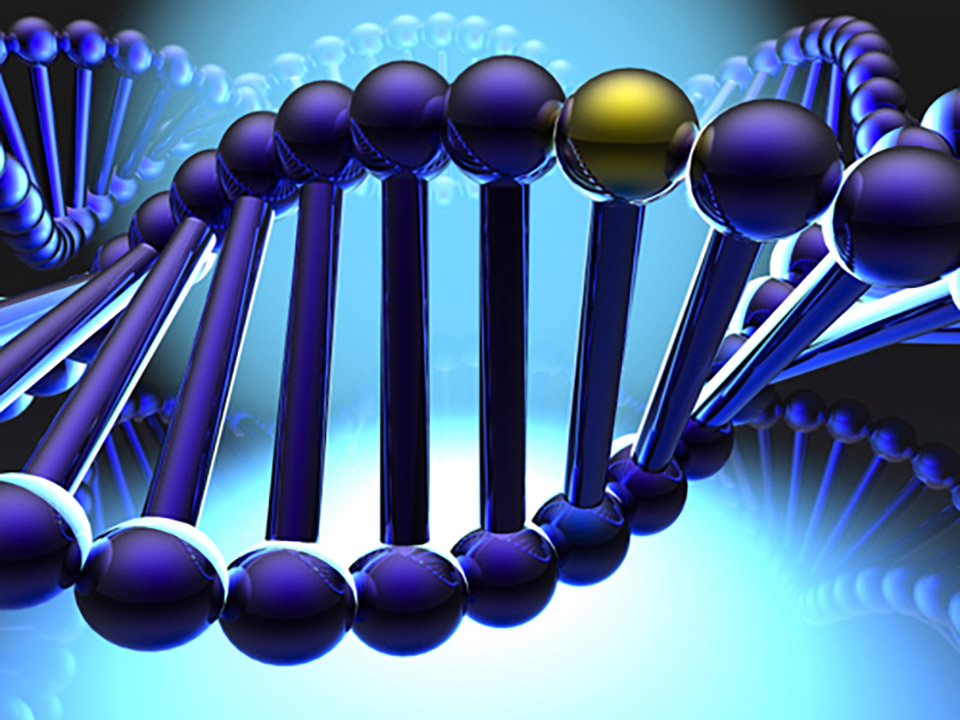
The mutations of specific genes including but not limited to MLH1, MSH2, MSH6, PMS1 and PMS2 are responsible for Lynch syndrome. These genes work in repairing mistakes made when DNA is copied in preparation for cell division. The mutations disallow the repair of DNA mistakes and as cells divide, uncontrollable cell growth may result in cancer.


Confronting The Risk


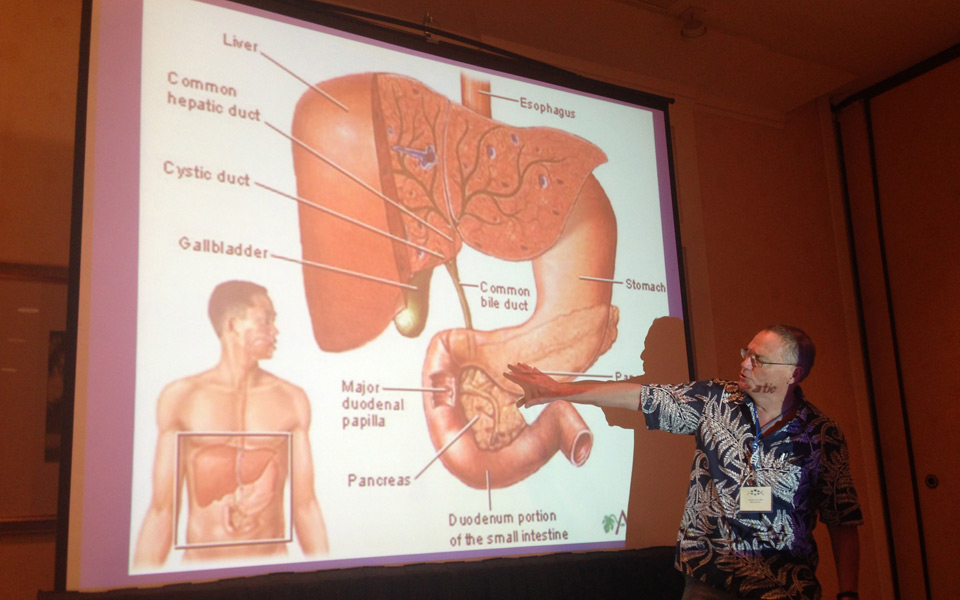
Having no gender, ethnic or cultural preferences, Lynch syndrome targets families, predisposing them to cancer at a younger than average age. Children of a Lynch syndrome parent possess a 50% risk of acquiring a mutation. During their lifetimes, those diagnosed face up to an 85% risk of contracting colon cancer and, as well, women have up to a 65% risk of contracting endometrial cancers. An increased risk exists of contracting a myriad of other cancers including those of the stomach, pancreas, kidney/ureter tract, hepatobiliary tract, gastric tract, prostate, ovaries, gall bladder duct, brain, small intestine and the skin.


Lives Can Be Saved Through Awareness And Testing


Despite the odds, immense hope exists; thanks to modern technology and the passionate and diligent efforts of dedicated researchers and medical professionals. Though no cure has yet been discovered, through genetic testing, the risk for cancer in families can be identified. By exercising preventative measures (early diagnosis, surveillance and treatment), enhanced quality of life and longevity can be achieved and individuals and families can be protected from cancer.


PROTECTING OUR FAMILIES AND OURSELVES



First Line of Defense

THE FAMILY HISTORY


Lynch syndrome is inherited through families. The first step of diagnosis of Lynch syndrome, in order to obtain provision of early and potentially life saving prevention measures, is by researching and documenting a comprehensive family history to present to one’s physician for assessment.


Second Line of Defense

DIAGNOSTIC TESTING


The only known method of accurately diagnosing Lynch syndrome is through genetic testing, the closest thing to a cure which is known today. If the family medical history indicates three family members, two of which are directly related to a third, and who each sustained Lynch cancers, genetic testing should be discussed with one’s physician.


Third Line of Defense

REGULAR SURVEILLANCE


Once Lynch syndrome has been diagnosed, a highly targeted screening and medical management program is essential and may be lifesaving. During routine surveillance screening, tumors may be discovered and are more easily removed or treated before becoming life threatening.


Much gratitude to Estes Refrigeration, Inc. a leader in refrigeration
service, engineering, design build, and planned maintenance for
industrial, commercial, and bio-pharmaceutical refrigeration systems,
for their sponsorship of our website and support for our endeavors
toward protecting families and saving lives.